
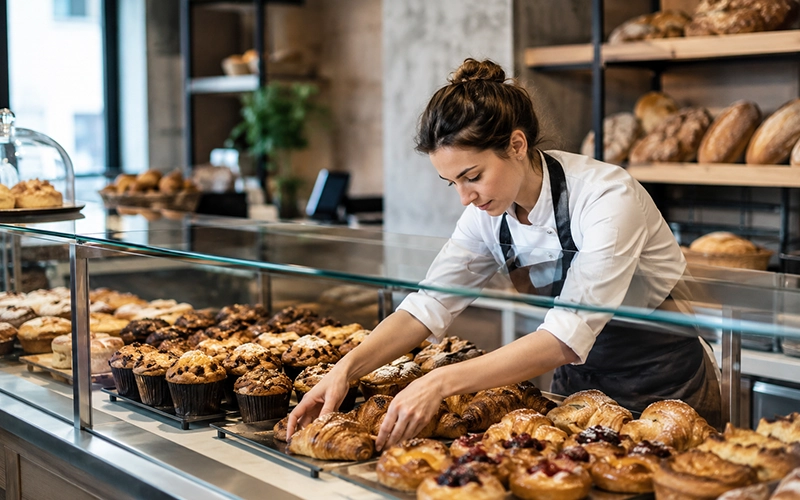
Short answer: anywhere from about $2,000 to well over $300,000. I know, that range is almost useless on its own. But it’s honest, because “a bakery” can mean a cottage operation run out of your home kitchen or a full production bakery with walk-in coolers and a retail storefront. Those are two completely different businesses with two completely different price tags.
So before you can answer “how much,” you have to answer “what kind.” That’s the part most first-timers skip, and it’s the single biggest factor in your budget. Let’s break it down by type, then walk through every real line item so you can build a number that actually fits your plan.
First, Decide What Kind of Bakery You’re Opening
This is the decision that sets your entire budget, and it’s worth more thought than picking your logo. Three broad models, and the cost gap between them is enormous.
| Bakery Type | Typical Startup Cost | What It Is |
|---|---|---|
| Home / cottage | $2,000 – $10,000 | Baked at home under your state’s cottage food law, sold at markets, online, or direct |
| Retail storefront | $50,000 – $150,000 | A counter-service or cafe location with its own kitchen and a place for customers to buy |
| Full production | $150,000 – $400,000+ | Large-scale baking, often wholesale or multi-location, with heavy equipment and buildout |
A shared commercial kitchen sits in between, you rent production space by the hour or month (often $500 to $2,000 a month) and skip most of the buildout. From what I’ve seen, that’s an underrated middle path for someone who has outgrown their home kitchen but isn’t ready to sign a ten-year lease on a storefront.
Pick your model first. Everything below scales to it.
The Real Cost Breakdown, Line by Line
Here’s where the money actually goes for a retail storefront bakery, which is what most people picture when they say “open a bakery.” Home bakers can ignore the rent and buildout rows; production bakeries should roughly double the equipment and space figures.
| Expense | Typical Range | Notes |
|---|---|---|
| Licenses & permits | $500 – $4,500 | Business license, health permit, food handler certs, food establishment permit |
| Lease deposit & first rent | $3,000 – $20,000 | Monthly rent for a small space runs roughly $1,500 to $10,000 depending on city |
| Commercial equipment | $20,000 – $50,000 | Ovens, mixers, proofing cabinets, refrigeration, display cases. Used gear cuts this a lot |
| Buildout / renovation | $5,000 – $50,000+ | Light cosmetic work is cheap. Adding hoods, drains, or a walk-in cooler gets expensive fast |
| POS & technology | $1,000 – $8,000 | POS system, card reader, kitchen display, payroll software |
| Initial inventory | $2,000 – $10,000 | First month or two of flour, butter, sugar, packaging, cleaning supplies |
| Branding & marketing | $1,000 – $10,000 | Logo, signage, website, opening promotion. Keep this lean early |
| Insurance | $1,000 – $4,000/yr | General liability, property, and often workers’ comp once you hire |
Add those up and a modest storefront lands somewhere in that $50,000 to $150,000 zone, which is why you see that range everywhere. Where you fall inside it depends almost entirely on two things: your space and your equipment. Which brings me to the part nobody warns you about. (Want to build your own number as you read? Run it through our restaurant startup cost calculator, or the SBA’s startup cost worksheet.)
The Hidden Cost That Sinks Bakeries: Buildout
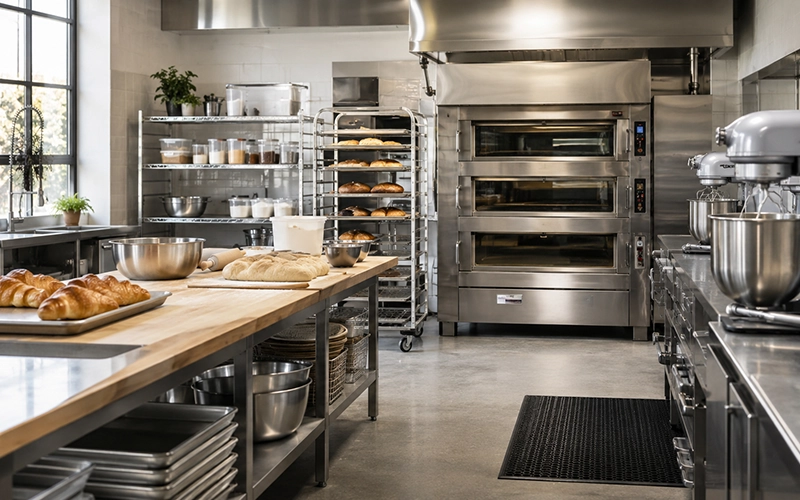
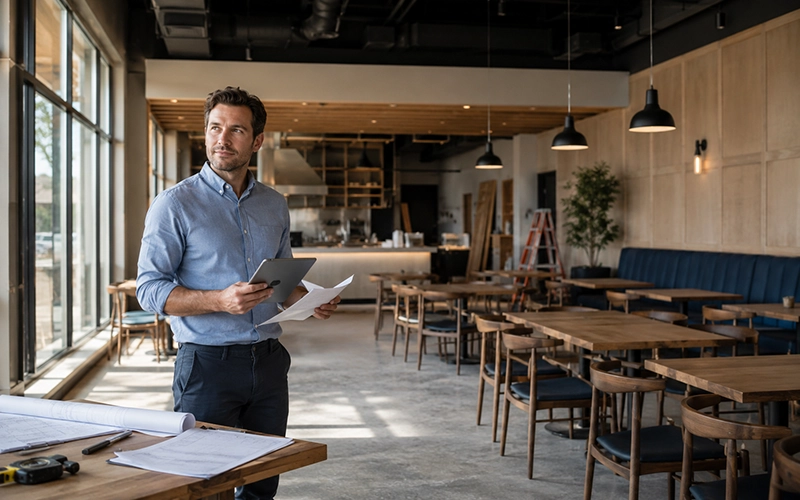
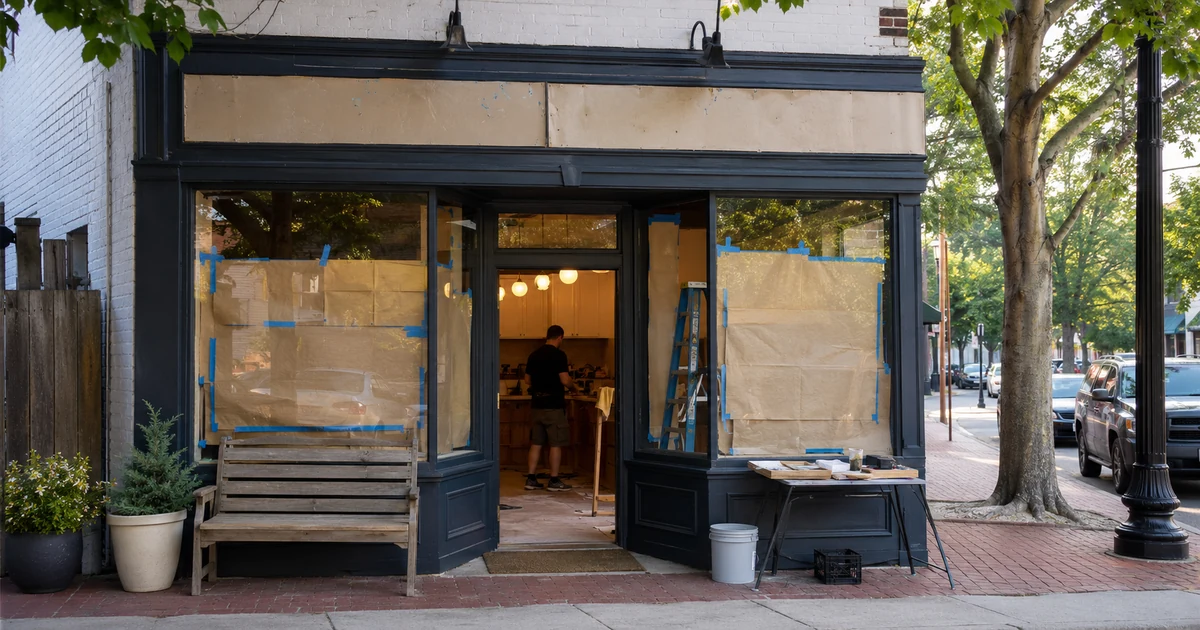
If there’s one thing I’d tattoo on every new bakery owner’s arm, it’s this: a pretty empty retail space is a trap. The rent looks affordable, the foot traffic looks great, and then you find out it has no grease trap, no hood ventilation, no floor drains, and not enough electrical power to run a commercial oven.
Those things are brutally expensive to add from scratch. A grease trap can run $5,000 to $15,000. A commercial hood system with fire suppression can hit $8,000 to $25,000. Three-phase electrical, plumbing for production sinks, a walk-in cooler, none of it is cheap, and all of it has to happen before you bake a single loaf.
Here’s the move that saves the most money in this entire process: lease a space that was previously a bakery, restaurant, or food production facility. It likely already has the expensive infrastructure built in. That one decision can knock $40,000 to $80,000 off your startup cost. When you’re searching for a location, filter for former food-use spaces first. It’s the closest thing to free money you’ll find in this business.
Don’t Forget the Money You Need After You Open
This is the mistake that quietly kills more bakeries than bad bread: running out of cash during the ramp-up.
Most “failed bakeries” were actually failed cash plans. You spent everything getting the doors open, and then month one is slow because nobody knows you exist yet, and by month four you’re out of runway. The build is only half the budget. You also need operating reserves to cover rent, payroll, and ingredients while sales climb.
A good rule: your total capital should be buildout plus equipment plus about six months of operating expenses. On top of that, add a contingency buffer of 10% to 20%, because something always costs more than the quote said. A $200,000 buildout realistically needs another $30,000 to $80,000 in reserves behind it to survive the first year. Plan for the cushion, not just the opening. It helps to know your break-even point before you sign anything, you can work it out with our break-even calculator or the SBA’s break-even guide.
A Quick Reality Check on Margins
Since you’re budgeting, you should know where the money actually comes from once you’re open, because it surprises people.
Bread, the thing most people associate with bakeries, has some of the thinnest margins in all of food service, often 5% to 12% net. The real money is in pastries, cakes, and specialty items, where gross margins can run 55% to 75%. If your business plan assumes bread will be your profit center, rewrite it before you sign a lease.
The other lever is attach sales. A bakery without a high-margin add-on, usually coffee and other beverages, is playing on hard mode. Beverages cost you very little and sell for a lot, and they turn a $4 pastry stop into a $9 ticket. Build that into your plan from day one.
And price for profit, not just to cover costs. The standard target is a food cost of 28% to 35% of the selling price. If a croissant costs you 75 cents in ingredients, it should sell for at least $2.50. Build a simple spreadsheet with every item before you open, if your average food cost is creeping past 35%, your menu is mispriced or your sourcing is off.
Where the POS System Fits
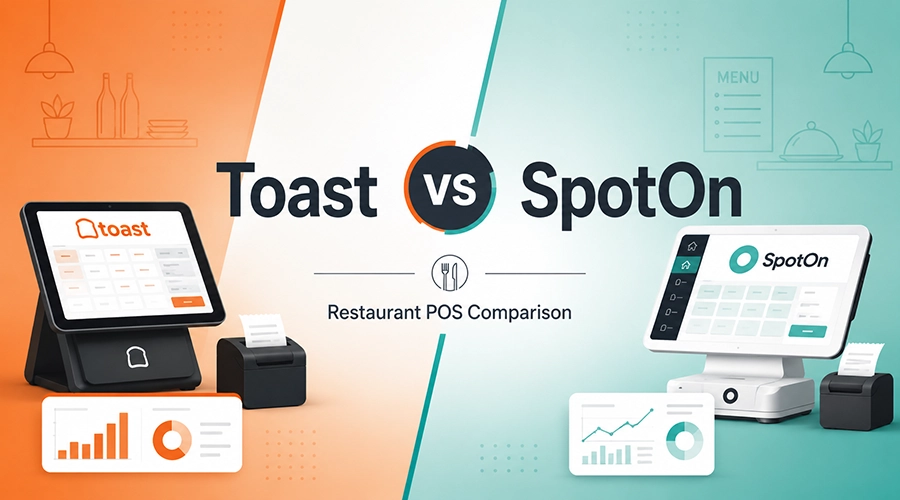
A point-of-sale system is one line item on the budget above, usually in the $1,000 to $8,000 range depending on how many stations and what hardware you need. It’s not the biggest cost, but it’s one of the few that touches everything once you’re open: it rings up sales, runs your card payments, tracks which items actually sell, manages a loyalty program, and feeds your sales reports. (For a fuller breakdown of what POS systems run, see our POS system cost guide.)
For a bakery, the practical questions are simple. Do you need a customer-facing display and a card reader at the counter? Do you want loyalty built in so you can turn first-time buyers into regulars? Will it handle online ordering if you sell pickup or local delivery? A modern restaurant or retail POS covers all of that, and the monthly software cost is usually modest next to your rent and labor.
You don’t have to overthink it on day one, but it’s worth picking a system that can grow with you rather than one you’ll rip out in a year.
How to Keep Your Startup Costs Down
A few honest ways to open for less without cutting the corners that matter:
- Start home-based if your state allows it. Cottage food laws in most states let you sell baked goods from your home kitchen with minimal licensing, often under $200. It’s the cheapest way to test your recipes and build a customer base before you commit to a lease. Rules vary a lot by state, Forrager keeps a current database of cottage food laws for all 50 states.
- Buy used equipment. Ovens and mixers are workhorses that last for years. A used commercial oven in good shape can save you thousands over new, and restaurant auctions are full of them.
- Lease a former food-use space. As covered above, this is the single biggest saver. Inherited infrastructure beats building from scratch every time.
- Consider a shared commercial kitchen. Renting production time skips the buildout entirely and lets you scale up before signing a long lease.
- Keep the menu tight at launch. Twelve to eighteen items you can execute perfectly beats a sprawling menu you can’t. Less waste, less equipment, simpler ordering.
Frequently Asked Questions
How much does it cost to open a bakery?
It depends heavily on the type. A home or cottage bakery typically costs $2,000 to $10,000, a retail storefront runs $50,000 to $150,000, and a full production bakery can exceed $300,000. The biggest cost drivers are your space, your equipment, and how much buildout the location needs.
How much does it cost to start a home bakery?
A home bakery usually costs $2,000 to $10,000, and many bakers who already own a decent oven and basic equipment get going for under $1,500. Most US states have cottage food laws that let you sell from your home kitchen with minimal licensing, often a food handler certificate and a small registration fee under $200. Check your state’s specific cottage food rules and sales limits before you start, Forrager maintains a state-by-state database.
What is the biggest cost when opening a bakery?
For a retail or production bakery, the two largest costs are usually commercial equipment ($20,000 to $50,000) and buildout or renovation, which can range from $5,000 for light cosmetic work to over $50,000 if you have to add hood ventilation, a grease trap, or a walk-in cooler. Leasing a space that was previously a food business can cut buildout costs dramatically.
How much does a bakery POS system cost?
A bakery POS system typically costs $1,000 to $8,000 to set up, depending on how many stations and what hardware you need, plus a monthly software fee. Many restaurant and retail POS systems include loyalty, online ordering, and sales reporting built in. You can compare options here to find one that fits a bakery.
How much money should I have in reserve after opening?
Plan for about six months of operating expenses on top of your buildout and equipment, plus a 10% to 20% contingency buffer. Many bakeries fail not because the concept was bad but because they ran out of cash during the slow opening months before word of mouth kicked in. The reserve is what carries you to break-even.
Are bakeries profitable?
They can be, but margins vary a lot by product. Bread tends to have thin net margins of 5% to 12%, while pastries, cakes, and specialty items can hit 55% to 75% gross margins. Adding high-margin attach sales like coffee and beverages is one of the most reliable ways to make a bakery profitable.
The honest bottom line: there’s no single price tag on opening a bakery, because the first decision, home, storefront, or production, swings the number by a hundred thousand dollars or more. Figure out your model, build a real line-by-line budget, protect yourself with a cash reserve, and be smart about your space. Do that, and the scary range at the top of this page turns into a number you can actually plan around. (And if you want the bigger picture beyond just the money, our step-by-step checklist for opening a new restaurant walks through the whole process.)

Jason Feemster
POS systems expert and founder of POSUSA.com, a trusted industry resource since 2011. With over a decade of hands-on experience testing and reviewing point-of-sale systems, he helps business owners choose solutions that actually fit their needs.